
“The wines decide. Our role is to guide them.”
The caves had to be sterilized before anything else could begin. Clos de l'Epinay sits on more than three centuries of winemaking history in Vouvray, but by the time Antoine Labrosse and Henri Bruneau arrived, the previous owner had been producing bulk Chenin Blanc at two euros a liter. The troglodyte caves — carved into the tuffeau limestone that defines the Loire — were colonized by commercial yeast cultures from decades of industrial production. Before introducing their own native yeasts, the two men had to scrub the caves clean.
Antoine came from the corporate world. Zero winemaking experience. He is a devoted Chenin Blanc fanatic — the kind of person who can talk about the grape's oxidative potential and its relationship to silex-rich clay-limestone soils with a convert's intensity. His wife is Dutch. Henri Bruneau came from Domaine des Frères in Chinon, young and already proven. Their meeting, by one account, was "improbable and wonderful."
Upon arrival, Henri planted roughly four hundred trees, three hundred fifty meters of hedgerows, and sixty-five native species around the property. The vineyard itself spans eighteen hectares of Chenin Blanc and a single hectare of reds — Grolleau, Gamay, Cot, and Pinot Noir — plus a new planting of Orbois, a nearly extinct Loire variety.
Ten distinct terroirs, each vinified separately, each named after Napoleonic cadastral maps. The sorting is severe: three passes through the harvest, with just forty percent of the original crop making it to the press. Sulfur at bottling is limited to two grams maximum; many cuvées receive none.
“Our role is to guide them.”
Their first vintage was 2023. Two bottlings per year, timed not by the calendar but by the wine's readiness.
"The wines decide," they say. "Our role is to guide them."
Somewhere in the scrubbed caves, the native yeasts are slowly making the place their own again.
WINES FROM CLOS DE L'EPINAY
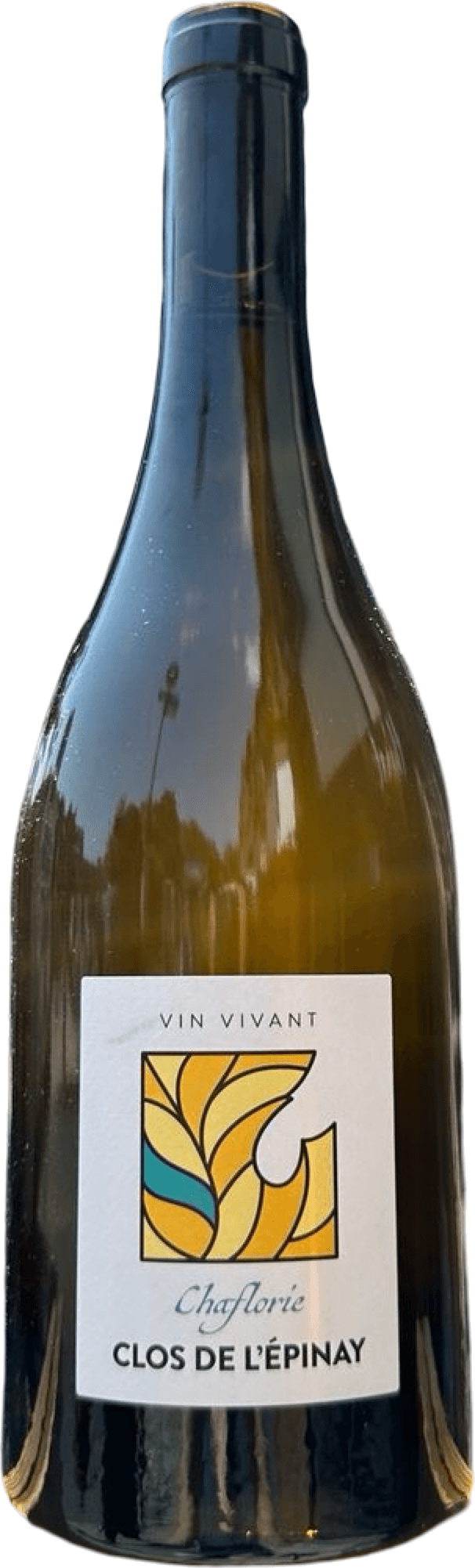
The newest release from Vouvray's clay-limestone slopes. Already showing the tension and minerality this appellation is known for.
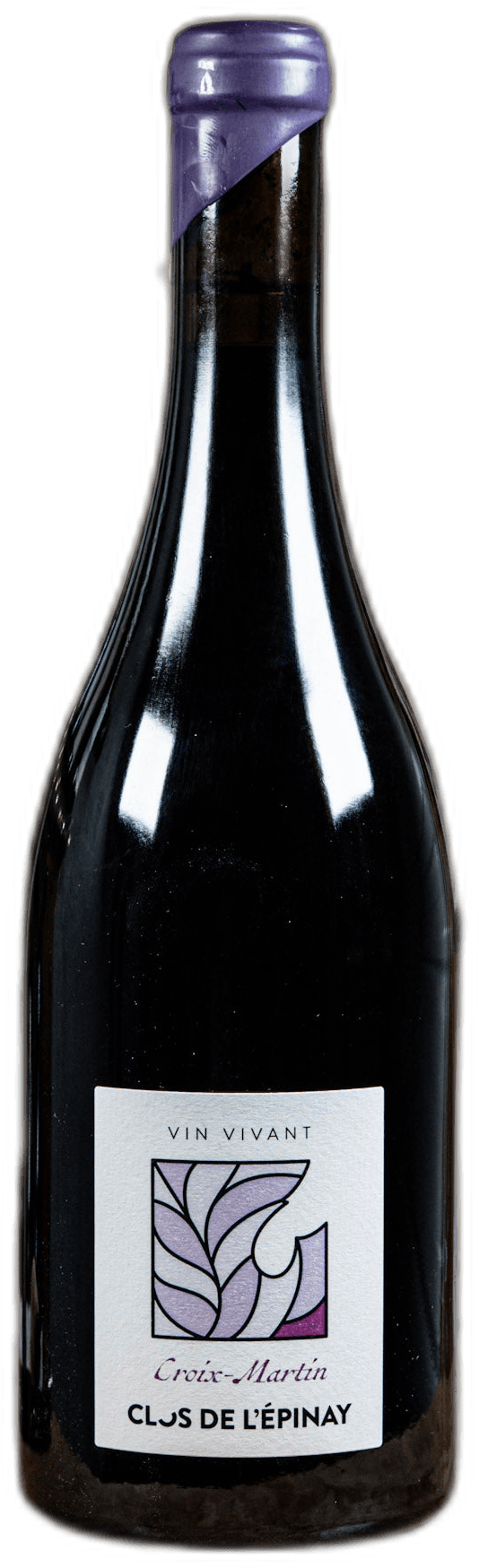
A red from Vouvray — a place famous for whites. Aged in concrete eggs, elegant and fruity with a spicy edge. Debut vintage from a brand-new estate.
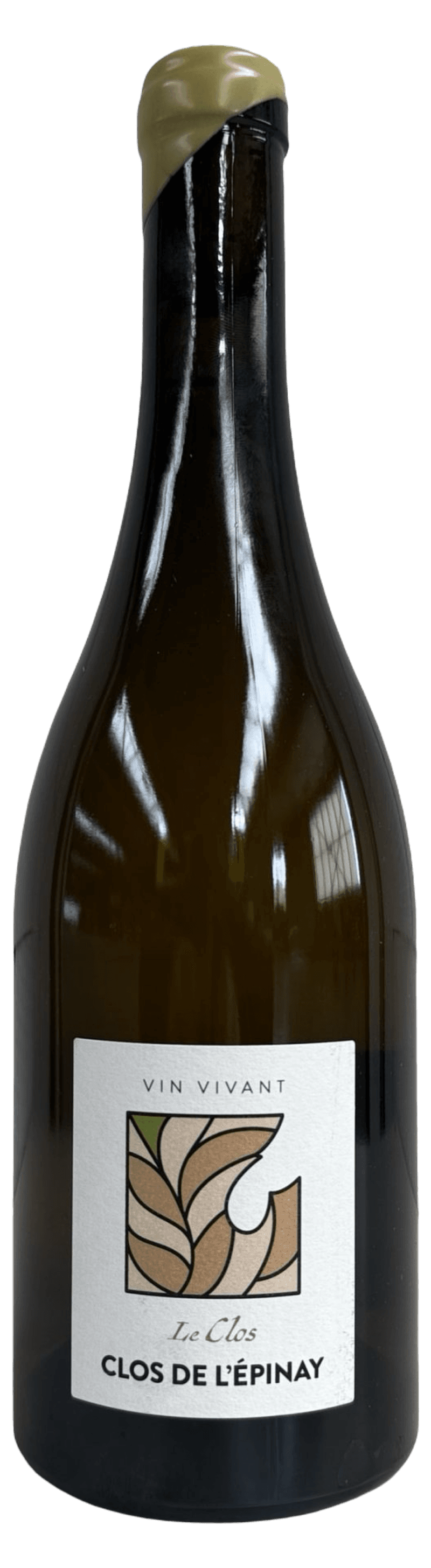
The namesake cuvée from Vouvray's first slope. Living wine from living soil — limestone-driven and expressive.
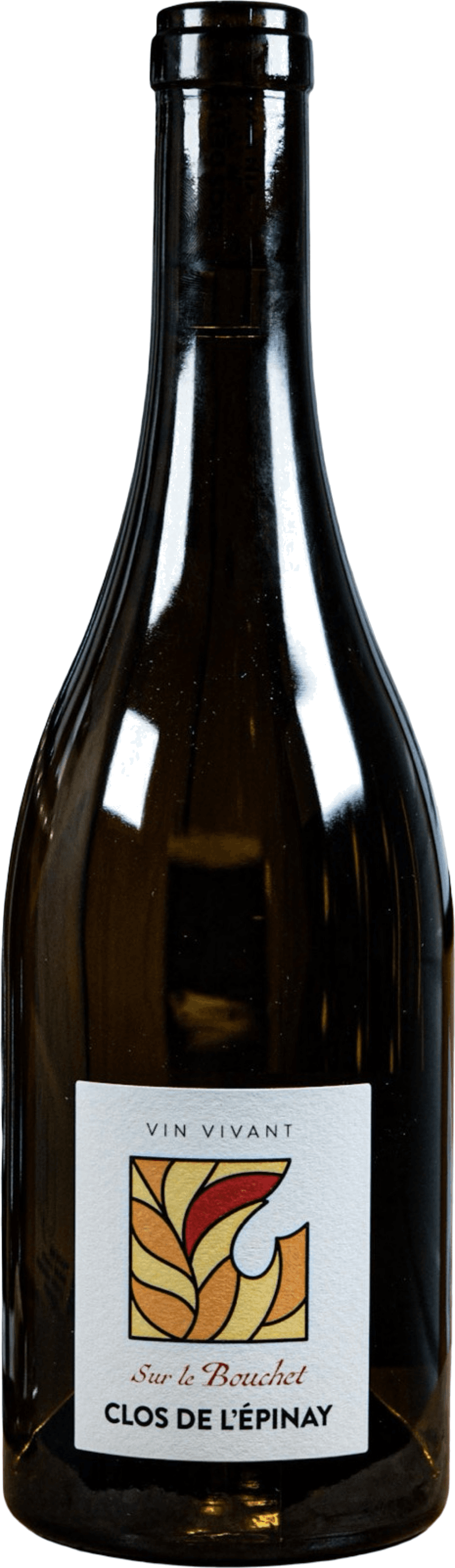
Single-parcel wine from clay-limestone terroir. Dry, mineral, and built to age.